Blog

Sun Safety With

Summer’s not over yet! There’s still time for beach visits, barbecues, camping and picnics. But don’t let fun in the sun turn summer into a bummer! You need to protect your skin whenever you go out into the sun. Take some precautions and you won’t have to pay for your fun with blisters and peeling. It’s as easy as just rubbing on a little sunscreen and popping on a hat. Your skin is the biggest organ you’ve got and the first line of defense against infection. Take care of your skin and it will take care of you!

Why You Should Wear Sunscreen
You need to protect your sun from UV rays. Sunburn is not only painful in the short run, but in the long run UV exposure can make you susceptible to skin cancer. A daily application of sunscreen can cut your chances of getting skin cancer in half. If you wear sunscreen while you’re young, it will keep you looking young. Sun damage from UV rays leads to the wrinkling and sagging of the skin. Sunscreen can prevent not only wrinkles but improve the overall skin tone. If you wear sunscreen before going out, you’ll not only look good but feel good too!

How To Wear Sunscreen
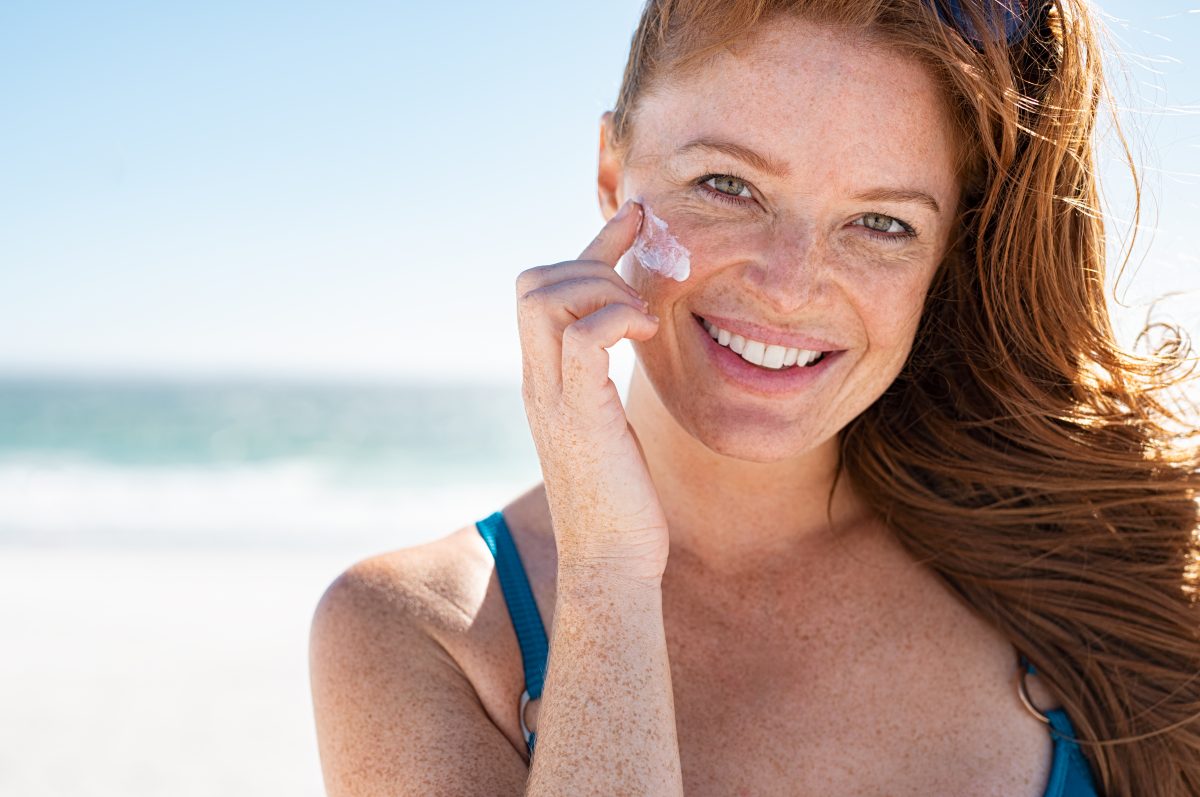
You’ll want to apply lotion to yourself atleast fifteen minutes before you expose yourself to the sun. If you plan on wearing a swimsuit, expect to use at least a full ounce for your whole body. After eighty minutes of swimming or sweating, you are advised to reapply your sunscreen. You should put some on at the very least every two hours. You should get something with at least SPF 15 but SPF 30 is ideal. Ingredients like aloe will soothe your skin while vitamin E will nourish it.

Other Things You Can Do
Sunscreen is the number one method of protecting your skin from UV damage, but there are other things you can do as well that are good for protecting your skin from the sun. A wide brimmed hat can protect your face from sun damage. No one wants to bundle up in the summer, but there are pants and long-sleeved shirts that are breathable and offer sun protection. Sunscreen is great for protecting your skin, but not your eyes. To protect your eyes from UV damage you should wear sunglasses. If you can, try to avoid the sun between ten a.m. and two p.m. This is when UV light is at the strongest. If you can’t, take precautions and try to stay in the shade as much as you can. And don’t forget to stay hydrated. Drinking plenty of water is good not only for your skin but your whole body.

Everyone Needs Sunscreen
While those with fair skin are more susceptible to sun damage, those with darker complexions are not off the hook. Skin cancer can affect all types of skin. Jamaican singer Bob Marley died from an untreated melanoma. If you have darker skin, not only can you get skin cancer, but it may be difficult to diagnose until the late stages.
Conclusion
Anyone of any age or skin type are at risk of skin cancer so sunscreen is a great way to protect your skin, but it should not be the only one. Protecting your skin will not only prevent painful burns and unsightly wrinkling, but it just might save your life as well.
Summer Skin Care

The summer compounds skin damage due to a perfect storm. The heat causes you to wear less, we’re outdoors more often and for more extended periods, and the sun tends to be stronger because of the positioning of the earth. The same drivers that make summer so enjoyable are also why skin gets damaged more often and worse than in the winter. Understanding these dynamics, dermatologists have worked for years on practices and products designed to help reduce summer damage while allowing people to enjoy being outdoors more often as well as maintain skin health.

A key factor in all the advice is for a person to have a solid routine. Consistency produces the best level of protection versus spotty use such as suntan lotion only when one is at the pool. Instead, with a daily routine, a person increases protection levels regularly and reduces far more exposure and damage summer-long than just during specific events.

Sunscreen Lotion with SPF
First and foremost, the sun is hot and damaging. Just 30 minutes of exposure starts to darken skin or flare it up in burn reactions. Products with SPF are a must for any exposure to the sun, even if one is only driving inside a car all day long. At a minimum, sunscreen products should have an SPF rating of at least 30 or more; the higher, the better. And sunscreen is not just for the arms and shoulders. The hands, feet, ears, and even lips need it too. Generally, an SPF 55 level product is in the excellent category of protection. One of the easiest ways to keep up with sunscreen is to have an alarm set for every few hours on a smartphone. When the alarm rings, it’s time for another application.

Back Off the Heavier Skin Products
Skin will naturally produce more oils in the summer. There’s no need for heavy-duty cream cleansers like what is typically used in the winter. Instead, lighter foam cleaners make more sense and produce a far better hydration effect.

Focus More on Multi-Purpose Moisturizers
Pulling off a 2-for-1 is a smart move during summer. A moisturizer that also includes an SPF reduces the amount of additional product needed. Just make sure to apply it regularly throughout the day every few hours. Note that standard moisturizers can have pore-clogging effects, so lean towards light moisturizers instead that focus on hydrating versus smoothing, which often includes more oils.

Give Your Body a Vitamin C Boost
Given the extra sun damage, the skin and body start consuming more resources for repair. A regular Vitamin C serum application can help reduce damage, fine lines, and loss of collagen production. It doesn’t take much, and many serums can be applied before the moisturizer. Some products combine both Vitamin C and Vitamin E, both of which the skin can use for repair and protection.

Cleaning Includes Exfoliating
When it’s time to clean your skin after a day out, cleaning and exfoliating to remove dead skin should also be part of your routine, but don’t overdo it. Too much exfoliation removes healthy layers of skin and exposes fresh underlayers to harsh sun damage before they are ready. The key to exfoliation is moderation. Slowly increase the days you exfoliate.

The Shade is Your Friend
There is plenty of sunshine to enjoy without being in direct contact. Focus on relaxing in the shade, especially during high heat. This helps reduce the risk of dehydration as well as burns, even with suntan lotion on.

Maskne – All You Need to Know

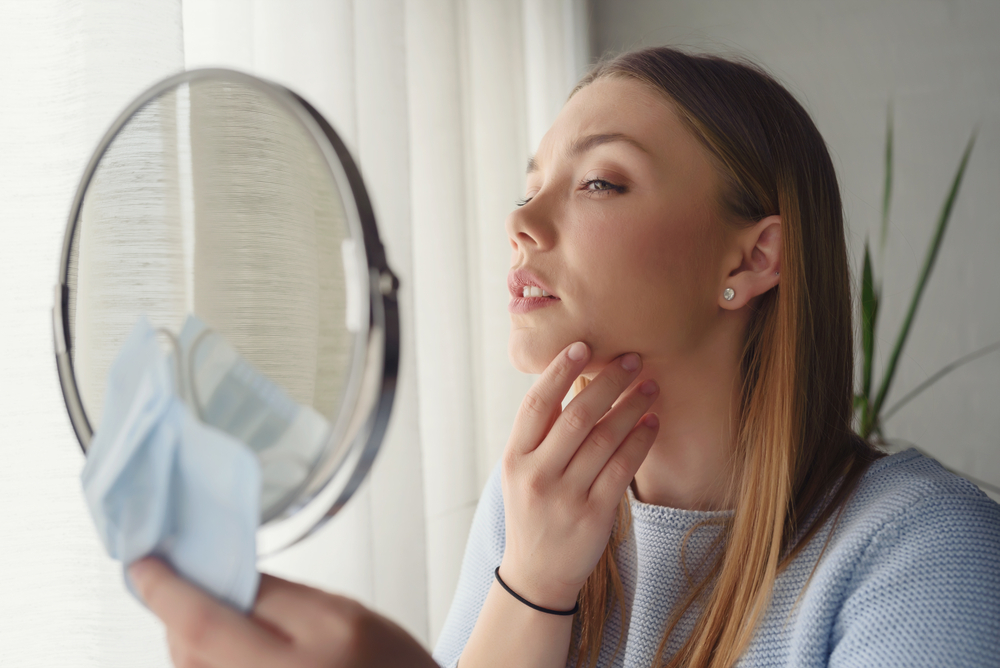
People who wear masks regularly might notice that they’ve started to experience sudden issues with acne, even if they didn’t have them previously. Patients might not know exactly what caused the acne. However, depending on the situation, they might be able to guess.

Acne Location

Acne marks can indeed appear almost anywhere on the body for a lot of reasons. However, the people who have acne directly or indirectly caused by masks will often specifically get it around their mouths, cheeks, and chins.

The mask comes into contact with those parts of the face, and some acne sores can develop in those locations. Bacteria from that mask is clogging the pores in that location.

However, it’s certainly possible to get almost any type of facial acne from masks. People might get bacteria on their faces as they remove the masks and put them back into place. It’s also common for people to adjust their masks throughout the day, which could only cause the mask to contact other parts of the face.

Masks can trap many bacteria, and even making a little casual contact with them can lead to acne problems. Patients who already have acne-prone skin will be more likely to get this sort of acne. It should be even more vital for them to get different masks as they’re needed.

Changing Masks

People might be less likely to get issues with acne under these circumstances if they decide to change the masks that they use regularly enough. The masks will be more effective if people choose to wear them and wash them on a schedule.

asks should be washed since there might be different types of bacteria and viral particles on the surfaces of the mask. While not all viruses will live on the outside of masks for very long, some bacteria might last a comparatively long time.

People should also be careful about wearing masks worn outside recently but not washed afterward since those masks might be contaminated. They’ll also be more likely to cause either minor or significant acne problems.

Many people will casually wear the same mask all the time. Bacteria will accumulate on both sides of the mask. Since the mask is being worn so close to a person’s face, it’s easy for the bacteria to get inside someone’s pores, causing a clog.

The people who regularly wash their masks may not have to worry about these specific issues as much. Since the masks will be clean, there might not be enough bacteria to cause acne problems.

New Surfaces

Some masks really cannot be cleaned. People frequently reuse disposable masks, but they might be setting themselves up for issues with acne if they decide to do so regularly enough.

Getting rid of disposable masks can help people control any problems with acne. These masks will also tend to wear out more quickly than many of the best cloth masks, making it even more critical for people to make sure that they’re not overusing the masks.

Individuals concerned about getting issues with acne anyway can also take some additional steps to prevent the acne that masks can cause. People frequently wash their faces after exercising, knowing that some patients will get acne if they leave enough sweat and bacteria on their faces.

It’s now common for people to wash their faces after getting home and taking off their masks. If they do so, they’ll be much less likely to get even mild acne. They’ll probably also stay safer as a result since masks won’t cover a person’s entire face. The acne that masks can cause is not genuinely inevitable for many patients.

Last-Minute Mother’s Day Gift Ideas

If you’ve waited until the last minute to plan for Mother’s Day, don’t make the mistake of skipping a gift entirely. Instead, select a gift that you can provide at the last minute that will still be meaningful. Consider these last-minute Mother’s Day gift ideas to make sure that your mom still has a special day:

Home Spa Treatments

Consider planning a series of home spa treatments for your mom, either made from store-bought supplies or from treatments that you create on your own in your kitchen. You could create honey oatmeal face masks and sugar exfoliating scrubs, for example, to create an inexpensive spa day for your mom to enjoy. Alternatively, you can find many home spa treatment options in the health and beauty aisle of your favorite department store.

Make a Special Breakfast

Give mom the day off from cooking and make her favorite breakfast, then serve it to her in bed. Breakfast tends to be an easier meal to cook, so consider going all out with French toast or pancakes, breakfast meat, juice, and your mom’s favorite fruit on the side. Make sure that you clean up the kitchen and run the dishwasher, as well, so that you don’t leave a mess that she’ll have to clean up when you’re finished.

Schedule a Massage

Few things are more relaxing than a professional massage. They’re great for unwinding tight muscles, fixing chronic pain, and lowering stress. With Mother’s Day approaching, consider either scheduling a massage appointment for your mom or purchasing her a gift certificate so that she can make her appointment when it’s most convenient. This helps make sure that she gets the time that she needs to take care of herself.

Clean the House

Mothers consistently manage a wide variety of household tasks while keeping up with them while keeping the house clean can be exhausting. Take care of your mom this Mother’s Day by either hiring a professional cleaning service to clean your mom’s home or by cleaning it yourself. Either option ensures that she has the clean house that she prefers without lifting a finger.

Take Mom Shopping

There’s a decent chance that your mother wants one or more specific items but hasn’t been willing to invest the money to purchase them for herself. Consider offering to take your Mom shopping for Mother’s Day, visiting a few of her favorite stores. You’ll get to spend quality time together, and she’ll wind up with a lovely gift in the process. Plan to spend the day out, and you can even take her to her favorite restaurant for lunch or dinner, although you may not want to attempt this on Mother’s Day itself due to the crowds.

Schedule Professional Spa Treatments

Set up appointments for your mom to enjoy a few professional spa treatments, like a facial, manicure, and pedicure. These treatments tend to be very relaxing and enjoyable when they’re handled by a professional. Consider scheduling the appointments a little after Mother’s Day, purchasing a gift certificate to the spa, and giving it to your mom for Mother’s Day as a gift. Then she can make the appointments on her own for a day and time convenient for her.

Mother’s Day is a great time to celebrate your mother and the hard work she does throughout the year. If you’ve forgotten about this critical May holiday, and it’s caught you unprepared, consider opting for one of these easy last-minute gifts. Your mom will feel valued and appreciated, and you’ll have saved the holiday with a bit of creativity.

Skincare Habits Can Change in the Spring

People who have detailed skincare routines will typically have some of the same habits from season to season. However, as it becomes warmer outside, people’s habits will need to change. They will need to make sure that their daily skincare starts to reflect the new weather.

Sun Protection

Some of these changes will be especially important for people who live somewhat differently as the new seasons begin. People who spend a lot of time indoors in the spring may not need to wear more sunscreen.

However, it’s more common for people to spend much more time outdoors as the weather becomes a little warmer, and many people are excited to do so. They’ll need to make sure that they wear sunscreen almost as regularly as they do in the summer.

Many people still only wear sunscreen at the beach. Although, it’s possible to get a sunburn at any time and in any place. People will also be slowly damaging their skin when they go outside without proper sun protection. Photoaging occurs during these points in time, and the effects will slowly add up eventually.

The springtime sun might look pretty mild compared to the summer sun. However, people are often confusing the sun’s heat with light in these instances. Even if the sun doesn’t feel as warm, there can be just as much light. A warmer day might not necessarily cause more sunburns. People might still get sunburns in the spring, even if it does not seem like that at first.

Fortunately, most people will not have to make any changes as they try to add sunscreen to their daily routines because they already wear sunscreen during the winter. People will go outside more often in the spring, making it necessary to put on sunscreen more frequently.

Retinol

When making these changes, you should also remember that using retinol and creams containing retinol makes a person’s skin less tolerant to the sun. However, for many people, this might not make that much of a difference, as they are not outdoors enough for it to matter.

As people start to spend a lot of time outdoors in the spring, they should make sure they time their retinol use. Otherwise, they could end up weakening their skin and subjecting it to more photoaging. Some people might be affected by the sun in other ways from a new regimen like this. People who decide to use retinol right away, starting in the spring, should also be a little more cautious if they are not used to using a lot of sunscreen at this time. They need to be mindful of the ways that this sort of skincare routine can affect them.

Some people can also switch to a different moisturizing product at this time. They might not need one that contains as much vitamin A or other nutrients and can use less because they will not have to deal with a lot of dry winter skin. Some people have dry skin issues all year, and they might still need to use the same moisturizing cream throughout the year. If you can start using more cream at night and less during the day, it could help with other issues.

Your March Skin Care Routine Has Arrived

It’s March, and with warmer weather just around the corner, it’s time to switch up your winter skincare routine to fit your spring/summer needs. Although everyone has different skin issues, goals, and concerns, there are certain skincare rules that apply to almost everyone. Here at Cirem, we have put together some essential skincare tips, which will help you get your skin ready in time for the new season.

Cleanse Your Skin
The ideal routine for cleaning your skin is cleansing it once in the morning and the evening. Cleaning your skin in the morning helps to remove oil and sweat that has accumulated while you’ve slept. If your skin tends to be dry, using water only in the morning will help to prevent excess drying throughout the day. Cleansing your skin in the evening should never be skipped because it’s vital for removing makeup and daytime skincare products as well as the pollutants, dead skin cells, sweat, and oil that has collected on your skin throughout the day.

When choosing your facial cleanser, it’s best to select products that are mild and hydrating. Regardless of the type, skin will typically always accept a hydrating cleanser, especially one that is fragrance-free and contains only minimal ingredients. Also, try to use a cleanser with glycerin and ceramides, which will help to improve your skin’s barrier. An excellent suggestion that’s appropriate for cleansing in the evening is our Mending Moon Moonglow Cleansing Balm, which works to relax the complexion to reveal soft skin.

Hydrate
After cleansing, it is critical to use a moisturizer. Fragrance-free and oil-free creams are beneficial for all types, including individuals with sensitive and acne-prone skin. Additionally, before using a moisturizing product, make sure to read the ingredients. An ideal moisturizer for all skin types contains Vitamin C, ceramides, and other skin-nourishing ingredients. A perfect option for moisturization is our YouthBoost Diamond Moisturizing Cream, which is packed with various natural and beneficial ingredients, such as B vitamins, caviar, and white tea-leaf extract. It’s important to remember that skipping a daily moisturizer isn’t protecting yourself if you have acne-prone or oily skin. Regardless of how oily your skin may feel, without hydration, it will become dry and irritated.

Defend and Protect
The first and most important line of defense and protection for your skin is sunscreen. The UV rays of the sun can cause serious and significant damage to your skin, so even if you choose not to use any other types of skincare, do not skip sunscreen. Choosing a sunscreen that is SPF 30 or higher is very important, and you should apply it every day, even if it’s a cloudy day. An ideal choice for this is our Skinsurance Protective Sunscreen, which is filled with nourishing ingredients, such as fatty acids and antioxidants to help soften and hydrate your skin, and green tea extract. This blend will help you protect your skin from the damaging effects of free radicals, all while protecting against dangerous UV rays.

In addition to your daily skincare routine, including an occasional face mask or facial serum underneath your moisturizer is great for an added boost of Vitamin C and Hyaluronic Acid. However, make sure to choose types of products targeted for your specific skin type/issues. Also, keep in mind that taking the time to care for yourself isn’t considered an indulgence or a luxury; it’s a necessity, especially when it comes to skincare.

All search results
Skip to content